kaanet.comFive streets, and what each one sells
Five Streets
Five Streets, and What Each One Sells
Koreatown in Los Angeles, Annandale, Flushing, Albany Park and Duluth each have a different trade base and a different generational split.
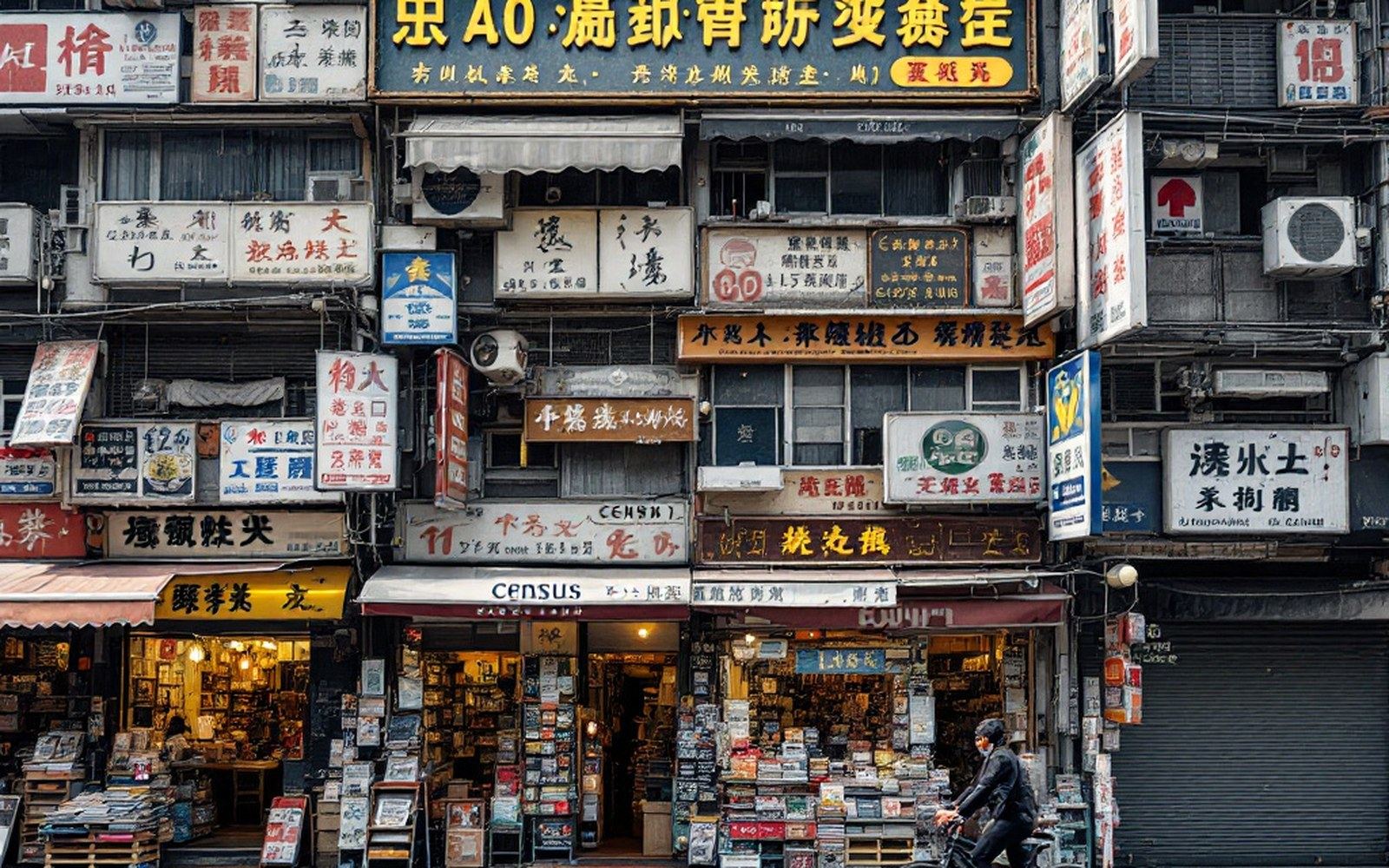
A commercial geography with five addresses, five trade bases, and five different relationships to time
The five districts that carry the name Koreatown — formally or by common usage — are not variations on a single template. Each emerged from a distinct migration wave, serves a different customer base, and built its commercial identity around whatever the local economy needed and the arriving generation could supply. The street is the record.
Los Angeles: density and the service economy
Olympic Boulevard through Koreatown, Los Angeles is the oldest and densest of the five corridors, and its trade base reflects both facts. The district took shape in the 1970s, when Korean entrepreneurs moved into a stretch of mid-Wilshire that earlier Latino and white working-class tenants were leaving. What they sold first was convenience: grocery, laundry, liquor retail, small restaurants. By the 1980s the corridor had differentiated sharply. Professionals arrived alongside the merchants, and the strip acquired Korean-language banks, insurance agencies, accounting offices, and immigration law firms — the infrastructure of a population that had moved past bare establishment.
After 1992, some capital migrated outward to the San Gabriel Valley and to Koreatown's own rebuilt interiors. But the district's 2020 census profile still shows an unusually high residential density — well above 30,000 people per square mile in the core tracts — and the commercial corridor reflects it. The dominant current trade is food and personal service: Korean barbecue chains, dessert cafés, karaoke rooms, beauty supply and skincare retail. The customer base is mixed: Korean-born, Korean American second- and third-generation, Latino residents who make up a substantial share of the district's actual population, and weekend visitors from across the metropolitan area. Olympic Boulevard sells leisure as much as necessity now, which is itself a measure of generational distance from the original storefront economy.
Annandale: the car-dependent corridor
Annandale, Virginia sits inside Fairfax County, and its commercial form is strictly suburban — a strip of Route 236 and its adjacent lots, readable only by car. The trade base here is professional and food-oriented in roughly equal measure. The Korean American population in Northern Virginia clustered in the corridor during the 1980s, drawn partly by federal employment in the Washington metropolitan area and partly by the relative affordability of Fairfax County compared to the District of Columbia itself.
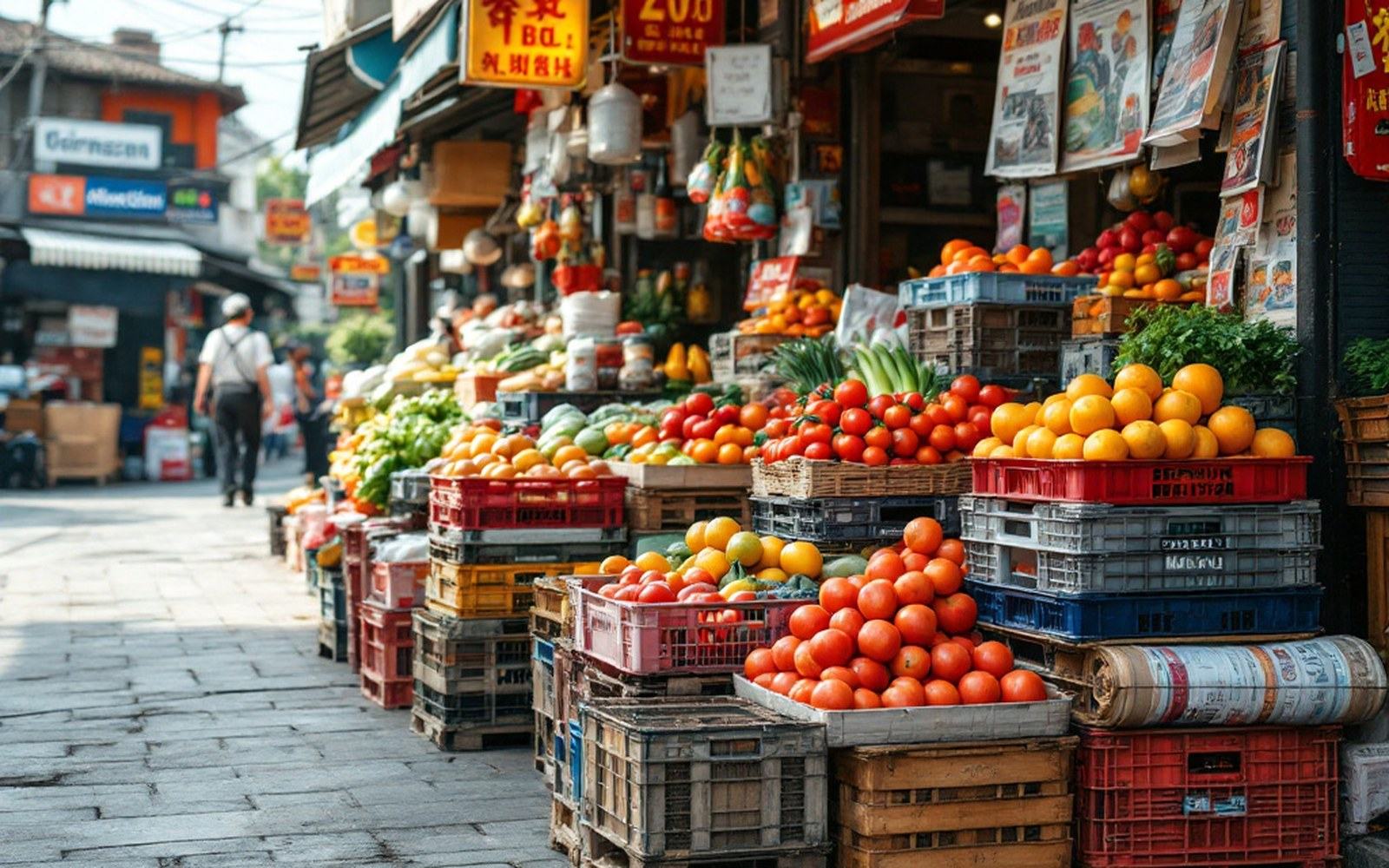
What Annandale sells reflects that professional demographic: specialty grocery (H Mart opened an early location here), Korean-style barbecue restaurants, and a dense concentration of medical and dental offices serving Korean-speaking patients. The strip carries less of the pure-retail character of Olympic Boulevard; the services on offer skew toward households with stable incomes rather than toward the itinerant or newly arrived. The generational split is visible at the tables: older first-generation diners in the restaurants, second-generation professionals in the offices above them.
Flushing: wholesale at the root
Flushing, Queens built its Korean commercial presence on top of an existing produce and wholesale infrastructure, and that connection still shapes what the storefronts sell. Korean-owned produce businesses established themselves in the Hunt's Point wholesale market in the Bronx, and Flushing and the produce trade were linked by the supply chain before the retail strip on Union Street and Northern Boulevard made Korean enterprise visible at the neighborhood scale.
The trade base here is professional and food-oriented in roughly equal measure.
The retail profile in Flushing is notably more food- and grocery-heavy than either Los Angeles or Annandale, partly because the customer base includes recent immigrants who need staple goods rather than lifestyle retail, and partly because the wholesale advantage remains real. The district has also absorbed successive waves from other Asian communities — Chinese, South Asian, Southeast Asian — and Korean-owned businesses now operate inside a multi-ethnic commercial environment rather than a distinctly Korean one. That pressure has pushed Korean enterprises toward specialization: Korean supermarkets compete on product depth, Korean restaurants on authenticity for a diaspora customer who has options.
Albany Park: the honorary street and the older pattern
Albany Park on Chicago's northwest side carries the oldest Korean honorary street designation in the city. The stretch of Lawrence Avenue that anchors the district was named Seoul Drive in the early 1990s, when the neighborhood's Korean commercial presence was at its peak. The trade base that built Albany Park was the classic small-business model of the first generation: dry cleaning, alterations, small grocery, restaurant supply, and beauty services. Many of those storefronts have since turned over to other immigrant groups — the Vietnamese, Cambodian, and Latino populations that have settled in Albany Park across the same decades — and the Korean commercial presence has contracted to a narrower set of anchors.
What remains is significant precisely because it is old: churches, a handful of long-running restaurants, professional offices established in the 1980s. Albany Park now illustrates the natural history of an immigrant commercial corridor — the first generation built it, the second generation left it for the suburbs or the professions, and the street itself was re-settled by the next arriving group. The honorary name is the most durable Korean trace.
Duluth: the newest suburb
Duluth, Georgia, in Gwinnett County northeast of Atlanta, is the youngest of the five and the one whose commercial form was built almost entirely by second-wave and more affluent first-generation Koreans who arrived in the 1990s and 2000s. According to the U.S. Census Bureau, Gwinnett County's Asian population grew sharply in that period, driven partly by the Korean community anchoring in Duluth's commercial strips along Buford Highway and Pleasant Hill Road.
The trade base in Duluth is the most upmarket of the five. Specialty retail — Korean cosmetics, electronics, high-end grocery — sits alongside professional offices, private tutoring academies (known as hagwon in Korean), and chain restaurants franchised from Korean originals. The customer is often a suburban homeowner, a professional, or the child of one; the storefront is newer, cleaner, and more likely to be bilingual in English and Korean than those in older corridors. Duluth sells aspiration alongside groceries, and the hagwon density is the clearest signal of what the resident generation values: educational advantage for the generation after them.
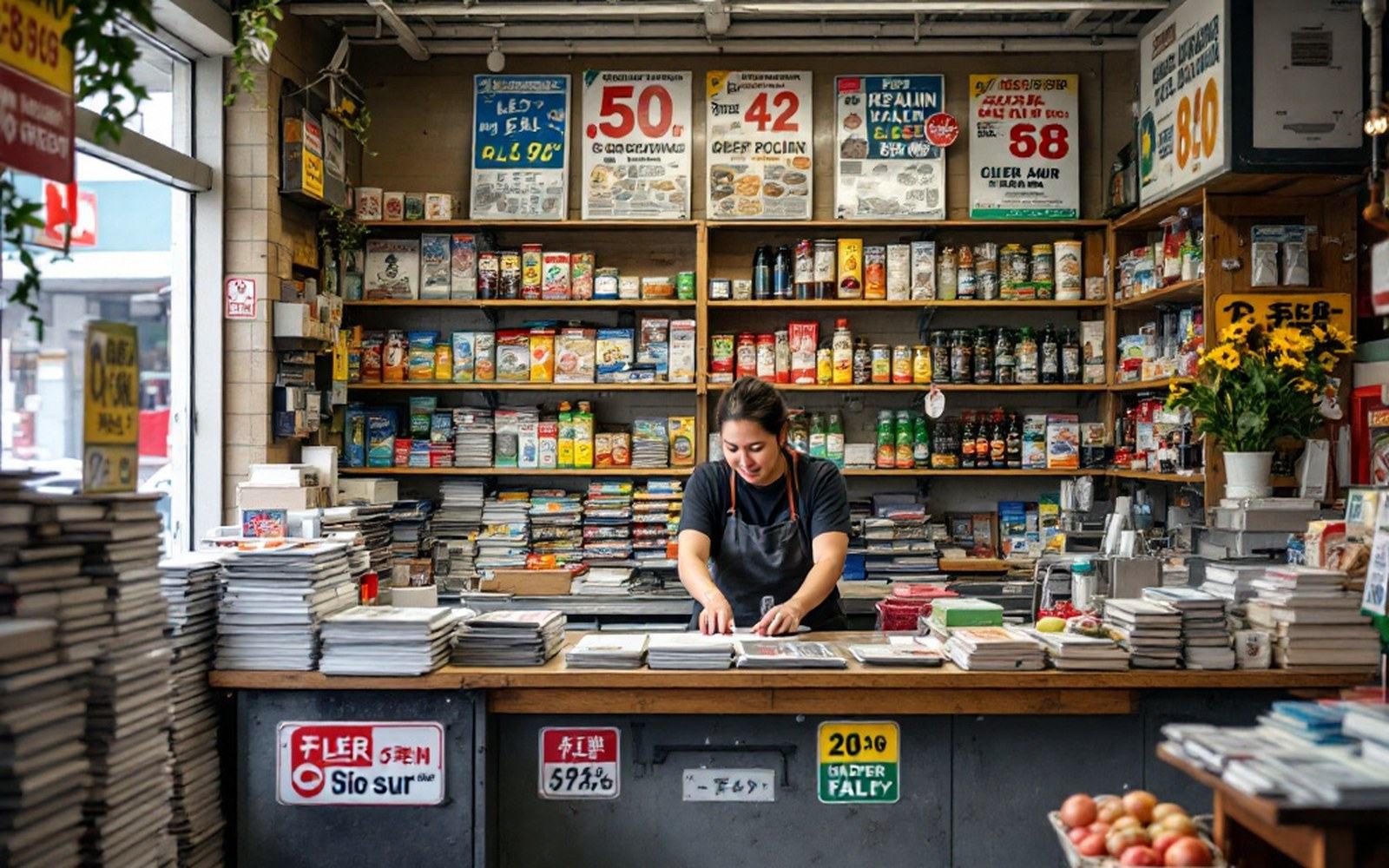
Taken together, the five streets are a timeline as much as a map. Los Angeles is the origin point; Duluth is what the trajectory looks like decades on.
Five Streets
Read next