kaanet.comFive streets, and what each one sells
Five Streets
Albany Park and Duluth — the oldest honorary street and the newest suburb
Two Korean American commercial districts at opposite ends of the migration timeline — one written in street signs, the other in cul-de-sacs.

From Chicago to Georgia, two decades apart
Albany Park, on Chicago's Northwest Side, carries the longest-established Korean commercial corridor in the Midwest. The stretch of Lawrence Avenue around Kedzie Avenue accumulated Korean-owned businesses through the 1970s and 1980s, when national-origin quotas had already been lifted a decade earlier and family reunification was accelerating the flow. The district's density was eventually recognized in the city's honorary street-name program: a section of Lawrence Avenue bears a Korean American designation, a form of civic acknowledgment Chicago has used across many immigrant corridors. Honorary names carry no legal weight — they sit on a second sign below the standard plate — but they mark where a community accumulated enough presence and long enough tenure to register in city records.
Albany Park's census tract profile tells the familiar inner-ring story: high residential density, storefronts built to a pedestrian scale, and a population that has diversified further as Korean American households moved outward toward the suburbs. What remains is a commercial district that functions partly as a destination — restaurants, bakeries, a handful of specialty grocers — visited by a community no longer concentrated immediately around it.
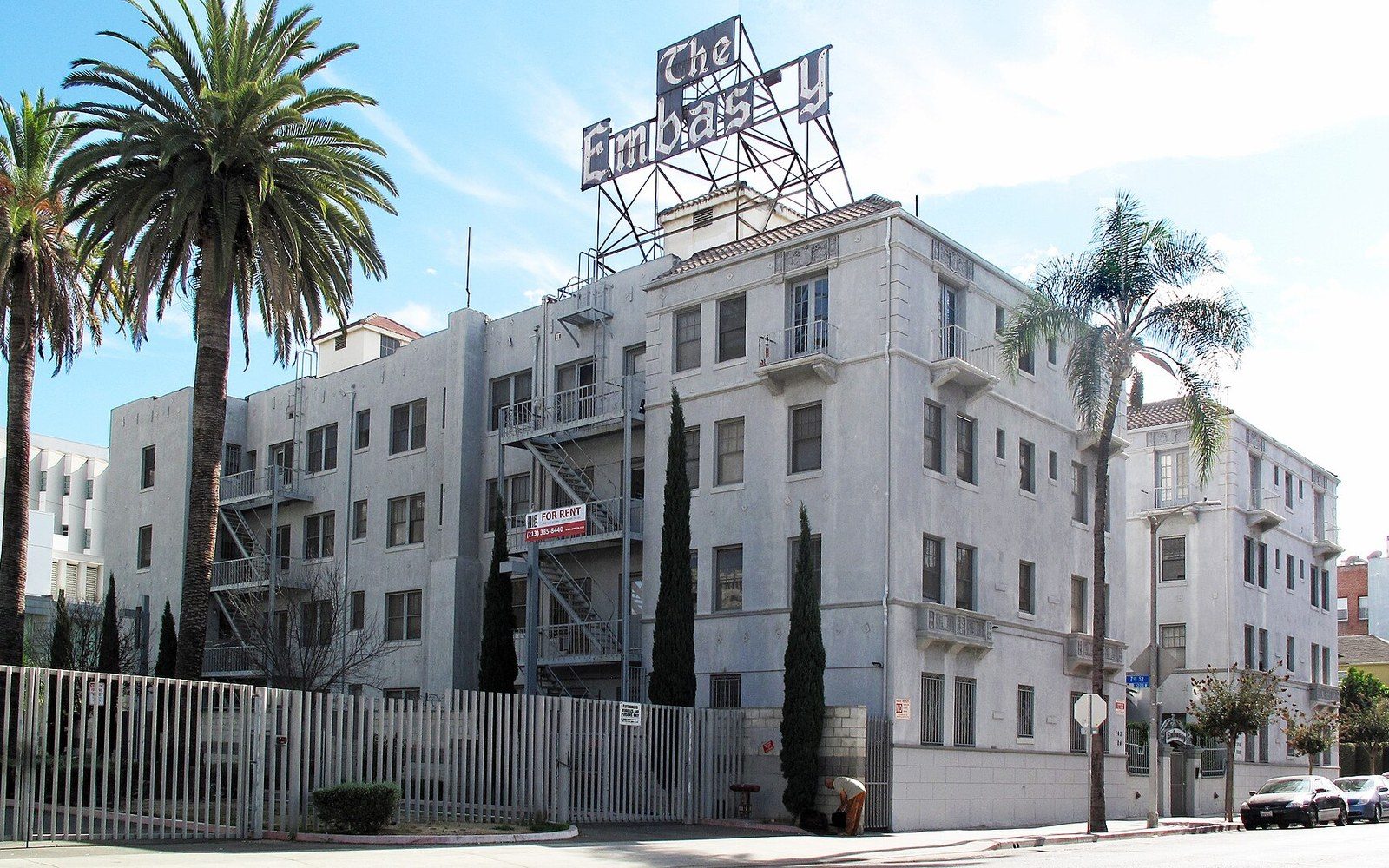
Duluth, Georgia, in Gwinnett County north of Atlanta, represents the other end of the timeline. Its Koreatown identity took shape largely from the 1990s onward, when Korean American families sought homeownership in new subdivisions rather than storefronts on old commercial strips. The district is a suburban form: strip malls set back from wide arterials, parking lots rather than sidewalks, businesses grouped by commercial node rather than by block. Gwinnett County's Korean-born population grew substantially across the 1990 and 2000 census cycles, according to U.S. Census Bureau data, making it one of the fastest-growing concentrations in the Southeast.
Duluth, Georgia, in Gwinnett County north of Atlanta, represents the other end of the timeline.
Together, Albany Park and Duluth bracket what the migration produced spatially: the inner-city corridor marked by an honorary sign, and the subdivision Koreatown that was never a neighborhood in the older sense at all.

Five Streets
Read next