kaanet.comFive streets, and what each one sells
Five Streets
Koreatown, Los Angeles — the densest of the five
A rectangle of the mid-Wilshire basin holds more Korean-owned storefronts per block than any comparable district in North America — and Olympic Boulevard is where most of the commerce runs.
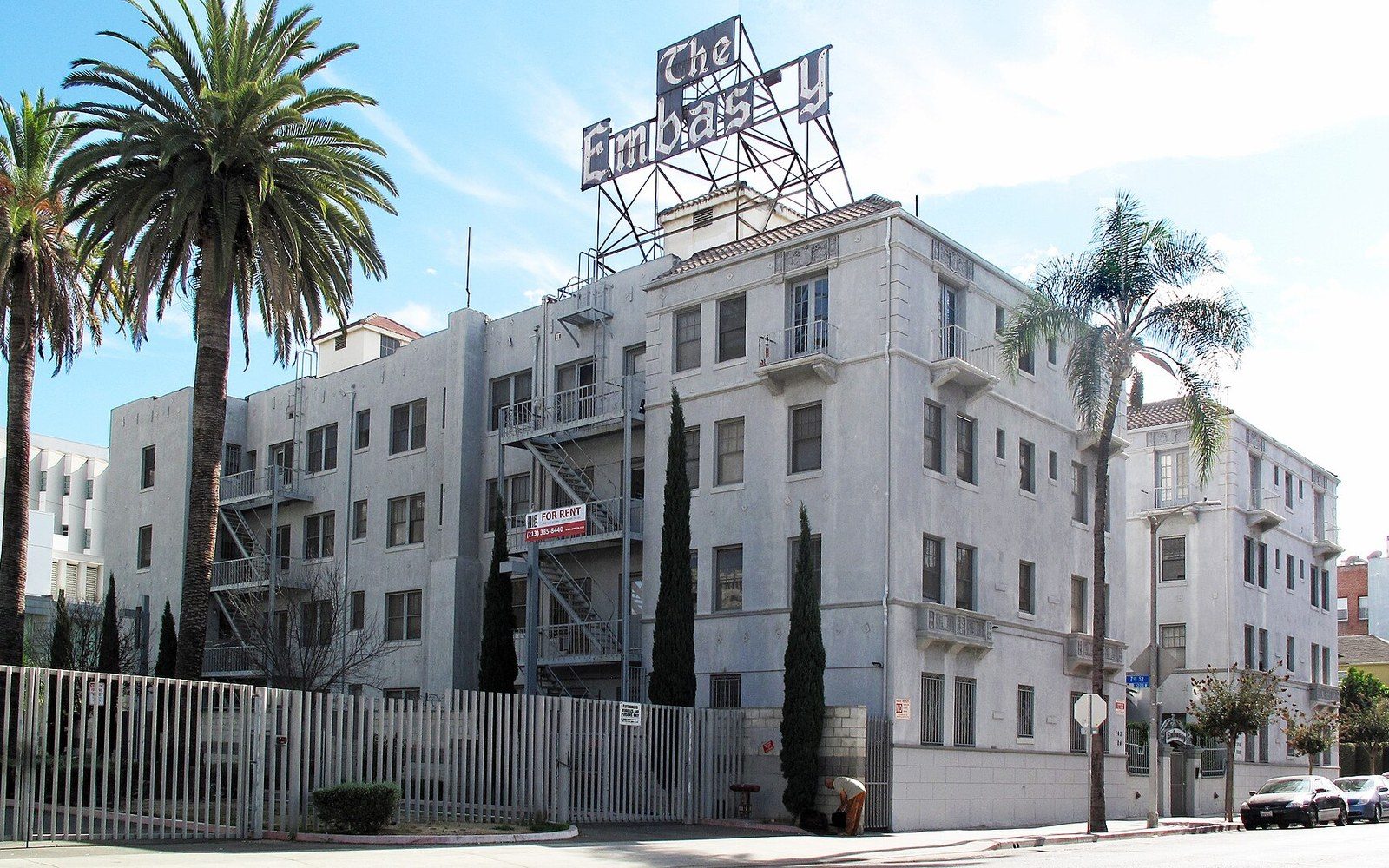
The boundary and what it contains
Koreatown is not a formal municipal designation; Los Angeles County never drew a line around it for administrative purposes. The district's working boundary is roughly Western Avenue on the west, Vermont Avenue on the east, Beverly Boulevard on the north, and Olympic Boulevard as the commercial spine running east-west through the center. That rectangle — perhaps three square miles of the mid-Wilshire basin — contains an unusual compression of Korean commercial and religious life inside a city that is otherwise organized by the freeway rather than the walking block.
The density of the district is a product of land economics as much as community preference. When Korean immigrants began arriving in significant numbers after the Immigration and Nationality Act of 1965 removed the national-origin quota system, the mid-Wilshire area offered older commercial strips and aging apartment stock at rents that newly arrived entrepreneurs could afford. Olympic Boulevard in particular carried a stock of single-story commercial buildings whose former tenants — Jewish-owned delis, furniture showrooms, insurance offices — had already been moving west for a decade. The corridor was available, and it was taken.
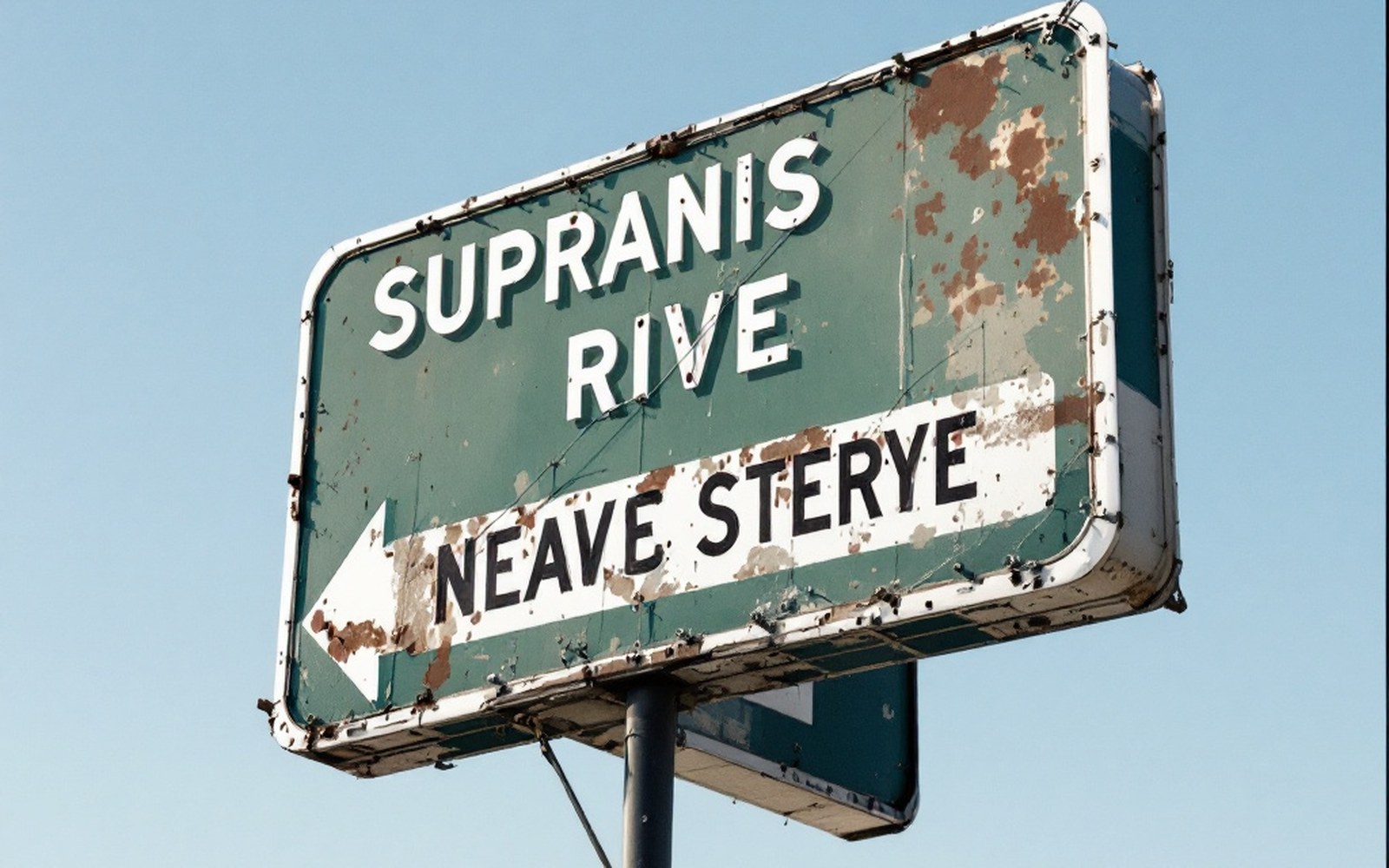
By the early 1980s the stretch of Olympic between Vermont and Western was dense enough with Korean signage, Korean-language storefronts, and Korean-owned professional offices that the city of Los Angeles posted street signs acknowledging the name "Koreatown," and in 1983 a formal Koreatown Galleria opened on Western, anchoring the district's retail identity around a model that combined a supermarket, a food court, and tenants selling goods that the surrounding residential population actually used. A second major mall, the Koreatown Plaza, followed on Olympic. The galleria model — a climate-controlled, Korean-language-oriented indoor commercial center set inside a conventional Los Angeles strip mall format — became the district's characteristic commercial form, distinct from the open-air produce-oriented street frontage you find in Flushing, Queens.
Olympic Boulevard: what the corridor actually sells
To read Olympic Boulevard from a car, which in Los Angeles is the only practical way to read it, is to encounter a layered commercial record. The streetscape is not monolithic. Ground-floor storefronts carry Korean-language primary signage above Spanish-language secondary signage, because the residential population of the census tracts around Olympic Boulevard has been majority Latino for decades — a fact the U.S. Census Bureau's American Community Survey consistently records. Korean entrepreneurs have long operated businesses whose owners and customers do not necessarily share a language, a condition that shaped everything from the layout of display counters to the hiring of bilingual staff.
A large number of Korean-owned businesses on Olympic and the surrounding blocks were destroyed or damaged.
The commercial mix on Olympic is weighted toward services that serve both recent immigrant households and second- and third-generation Korean Americans who drive in from the suburbs: immigration law offices, accounting firms licensed to handle Korean tax documentation, travel agencies with routes to Seoul and Incheon, herbal medicine suppliers, karaoke room operators, and restaurants that serve the regional Korean cuisines that a general American public would not encounter elsewhere. The restaurant density is genuinely unusual. Academic surveys of the district have counted more Korean restaurants per block on Olympic than on any comparable stretch in any other American city.
Finance structured a good portion of what was built. The kye — a rotating credit association through which a group of participants pool fixed contributions and each takes the full pot in turn — circulated capital inside the community before Korean-owned banks established local branches. The mechanism of the rotation is documented in detail elsewhere in this guide; for the Olympic Boulevard corridor, its practical consequence was that restaurant leases, small supermarket fit-outs, and beauty supply buildouts were financed at speed that conventional small-business lending would not have matched.
The press, the churches, and the institutional record
Koreatown's commercial geography is only part of the story the district tells. The institutional density is equally striking. Korean-language newspapers — among them the Korea Times and the Korea Daily (Joong-Ang Ilbo), both of which established Los Angeles editions in the 1970s — maintained editorial offices in or near the district and provided a running record of commercial activity, real estate transactions, church announcements, and community disputes. These newspapers are among the most complete primary sources available for reconstructing the district's economic history decade by decade, a role the community press played across every major Korean settlement.
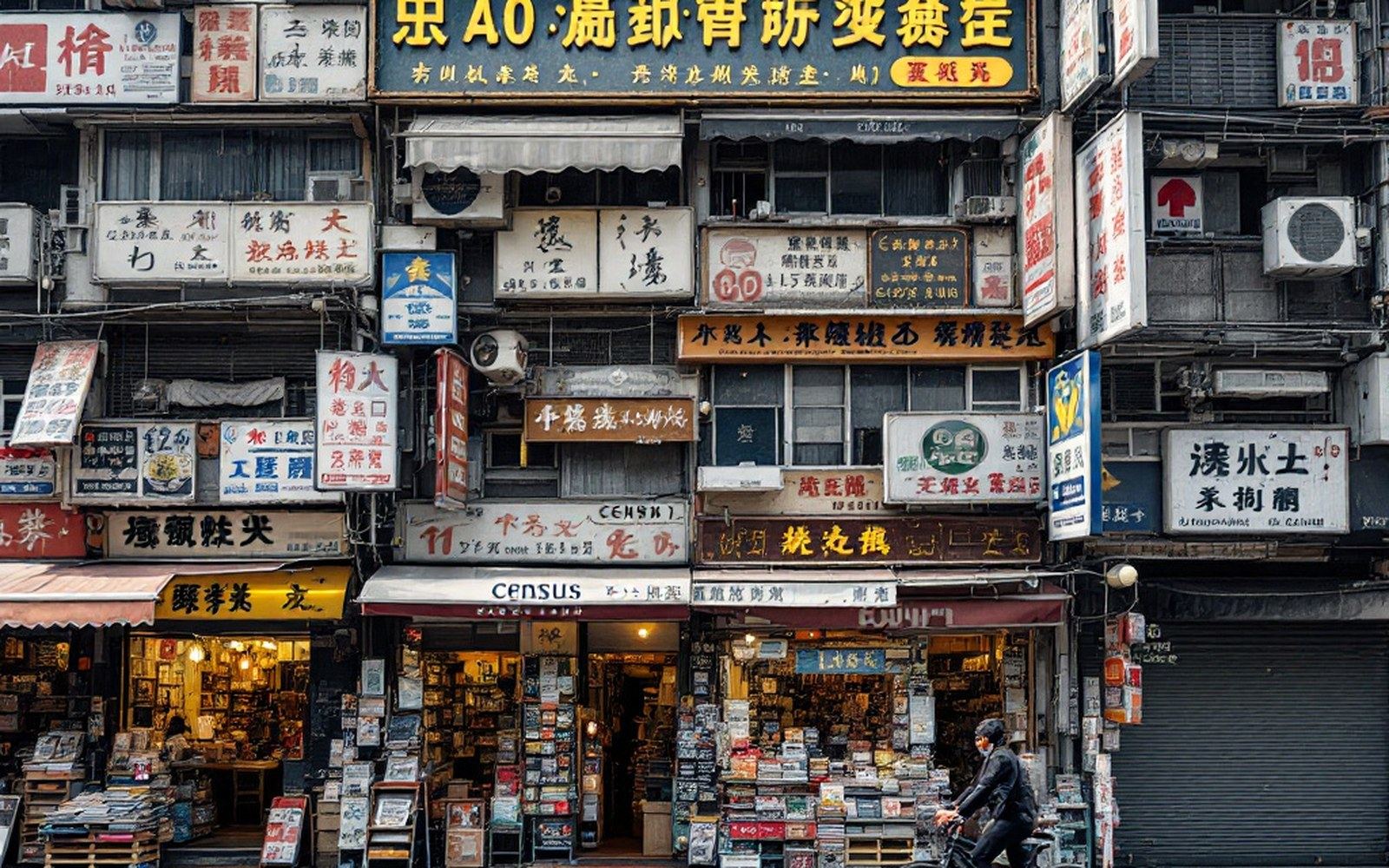
The church count is harder to compile but no less significant. Korean Protestant churches — predominantly Presbyterian and Methodist congregations, reflecting the denominational patterns of the missionary-influenced Korean Christian tradition — proliferated through the residential blocks north of Olympic beginning in the 1970s. Many operated as de facto community centers, providing job placement information, language classes, and introductions to the kye networks that capitalized the storefronts a few blocks south. By the 1990s, observers estimated several hundred Korean-affiliated congregations operating within greater Los Angeles, with the densest concentration in the Koreatown census tracts.
The 1992 civil unrest — documented in detail in the Los Angeles Times's retrospective coverage and in academic studies including those compiled by the University of California — left a material record on the district. A large number of Korean-owned businesses on Olympic and the surrounding blocks were destroyed or damaged. Insurance settlements were partial, rebuilding was slow, and some entrepreneurs relocated to suburban retail corridors in the San Gabriel Valley and to districts in Orange County. The damage and the unequal recovery are documented facts in the history of the corridor, not marginal footnotes to it. The district rebuilt, but the population geography of Korean Los Angeles shifted in the following decade, with suburban concentration increasing even as the Olympic Boulevard corridor retained its commercial identity.
The density that defines Koreatown, Los Angeles, is the product of specific historical timing: land available at a particular price in a particular decade, capital circulated through informal credit mechanisms, institutional infrastructure built around the church and the press, and a commercial model — the galleria plus the restaurant strip — adapted to a city whose form is the automobile corridor rather than the pedestrian block. No other Korean district in the United States assembled all of those elements at the same scale in the same place.
Five Streets
Read next