kaanet.comFive streets, and what each one sells
Five Streets
Flushing, Queens — where the produce trade meets the street
The wholesale markets that once supplied Manhattan built the storefronts of northern Queens, and the Korean produce trade was the mechanism.
How wholesale built the street
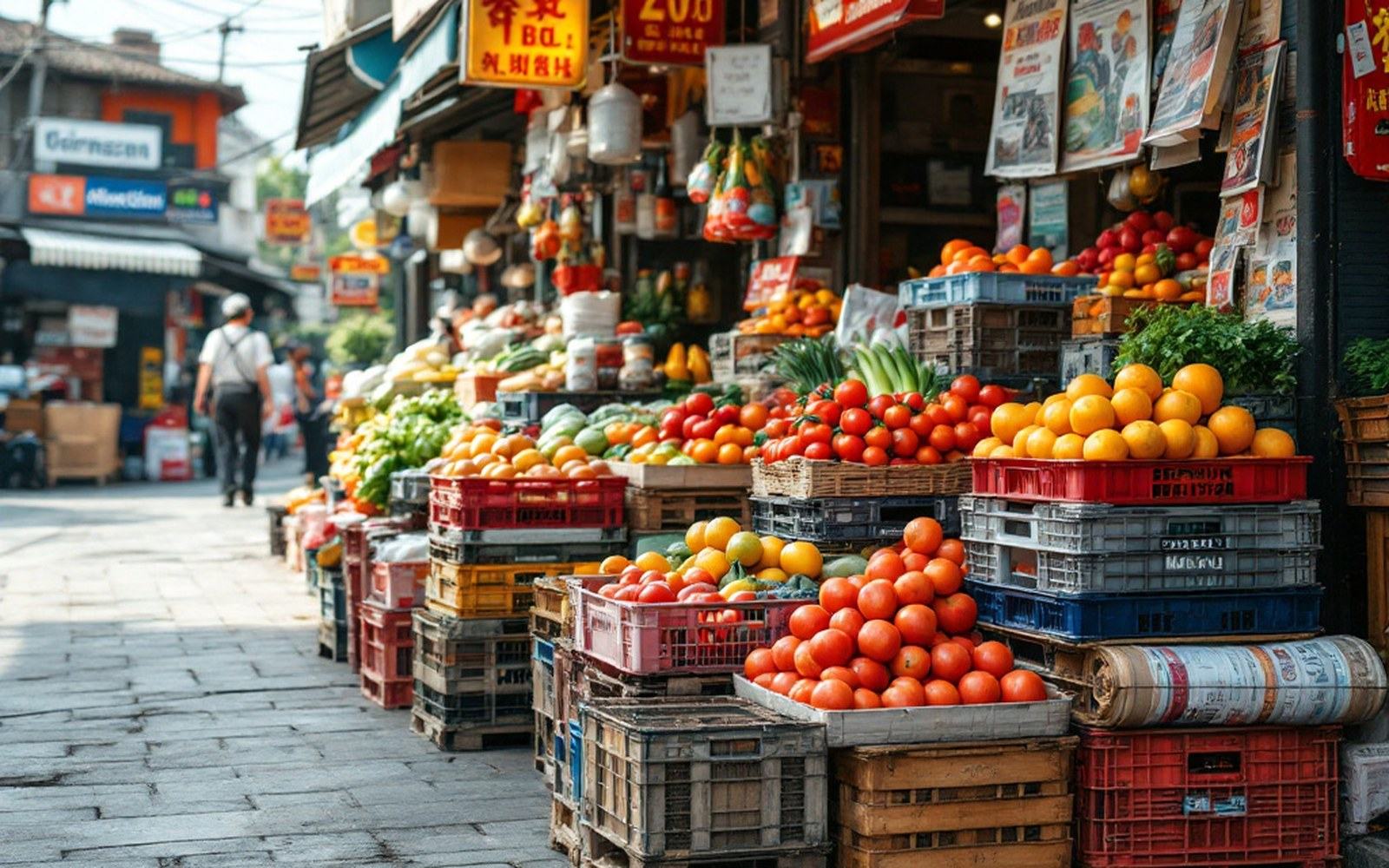
The Immigration and Nationality Act of 1965 opened chain migration at scale, and by the mid-1970s a significant number of Korean arrivals in the New York metropolitan area had found their way into the fresh produce trade — not as a cultural preference but as a structural opportunity. The Hunts Point Produce Market in the Bronx, which had absorbed the wholesale activity cleared from lower Manhattan in the late 1960s, was accessible to new entrants with small capital and a willingness to start at four in the morning. Korean wholesalers and retailers built a documented presence at Hunts Point through the 1970s, buying from large distributors and reselling to the greengroceries — the small fruit-and-vegetable storefronts that became one of the most visible Korean entrepreneurial forms in New York City's five boroughs.
Flushing was where the residential settlement that sustained this trade concentrated. The neighborhood had been in demographic transition since the 1960s: white working-class households were moving outward, housing stock was affordable relative to Manhattan, and the subway — the 7 train, running from Times Square to Main Street — connected workers to the produce markets without a car. Korean families moved into the corridor around Main Street and Northern Boulevard through the late 1970s and 1980s, and the commercial infrastructure followed. By the 1990 census, Flushing and adjacent areas of Queens registered Korean-origin populations large enough to anchor a distinct commercial district, though the neighborhood has always been multiethnic, with Chinese, South Asian and Latino residents sharing the same blocks.
What the produce trade produced, specifically, was working capital. A greengrocer who cleared a modest margin six days a week accumulated cash faster than a wage worker, and that cash — often pooled through kye (계), the rotating credit association in which a fixed group of participants contributes a set sum at each meeting and each member takes the full pot in turn — became the deposit on a lease. Kye operated on trust and community enforcement rather than collateral, which made it useful precisely where bank credit was unavailable. The storefronts of northern Flushing were, in a real sense, financed by the produce margin and the rotating pot together.
What the storefronts became
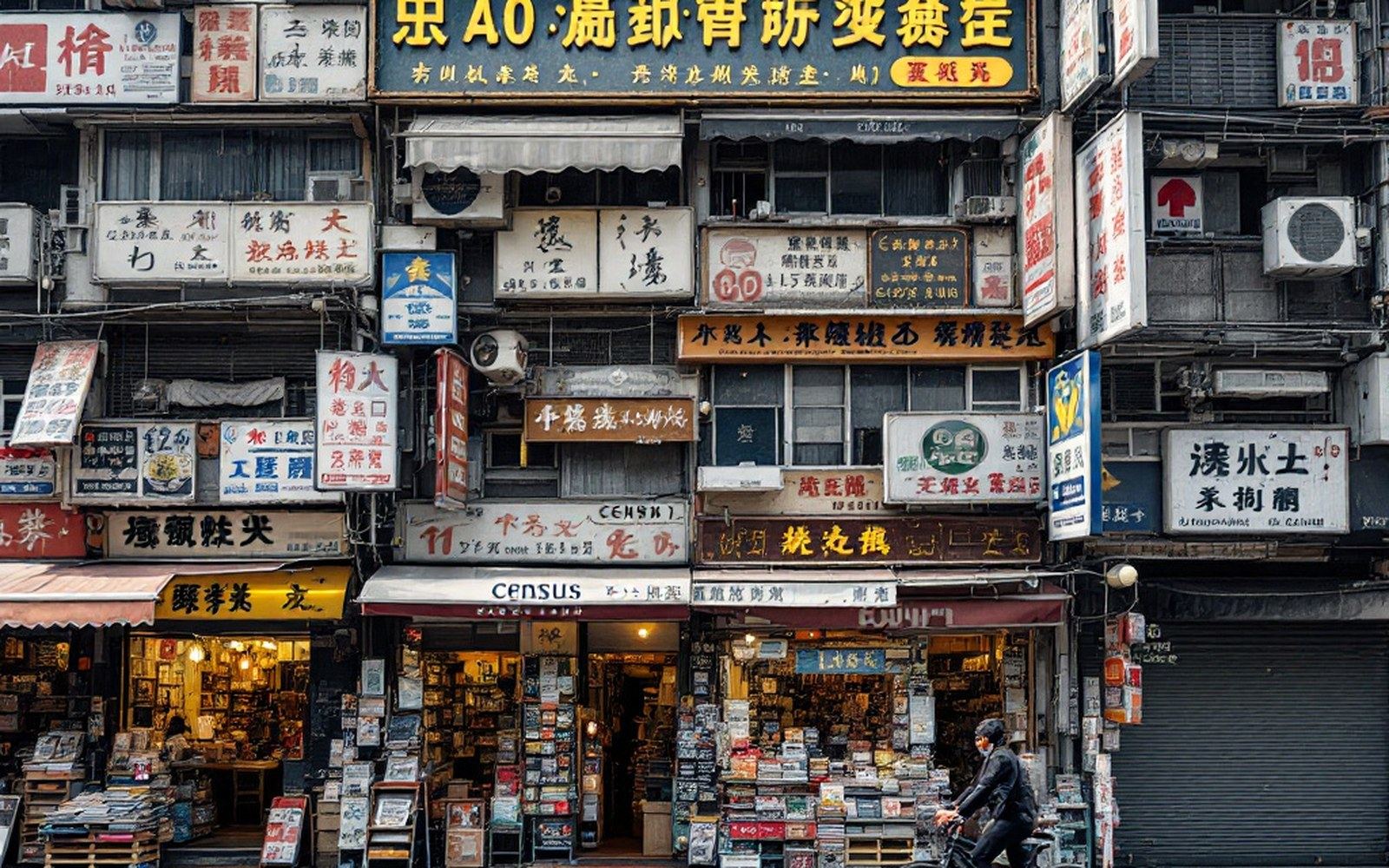
The commercial strip along Union Street and the side blocks off Main Street reflects this accumulation. The early produce and grocery operations were followed by restaurants, bakeries, and service businesses — travel agents, insurance offices, legal offices serving immigration needs — as the population stabilized and its purchasing power grew. A Korean-language press served the district: papers printed in New York reported neighborhood commercial news, legal changes affecting immigrant entrepreneurs, and the rotating cycle of community institutions. That press is, as in Los Angeles, the most complete running record of what the district was doing in any given year.
Kye operated on trust and community enforcement rather than collateral, which made it useful precisely where bank credit was unavailable.
The Flushing Koreatown is physically denser and more pedestrian than its counterparts in Annandale, Virginia, or Duluth, Georgia, precisely because it grew out of an urban transit corridor rather than a suburban arterial. Main Street Flushing is one of the highest-traffic retail corridors in Queens, and the Korean commercial presence is embedded within it rather than organized around a parking lot. The 7 train remains the spine. A shopper arriving by subway finds the produce stalls, the prepared-food counters selling tteok (rice cake) and banchan (side dishes), and the wholesale supply businesses within a few minutes of the station exit.
The 2000 and 2010 censuses documented a shift that was visible on the street before it appeared in any table: the Chinese-origin population of Flushing grew faster than the Korean-origin population through the 1990s and 2000s, and some blocks that had been predominantly Korean-owned became predominantly Chinese-owned. The census tract data for Queens County records the relative proportion, not the texture of the transition — who held which lease in which year is a question the commercial press answered better than the decennial count. The Korean commercial district did not disappear; it compressed and specialized, with the wholesale connection to Hunts Point persisting long after the neighborhood's demographic center of gravity had shifted.
Five Streets
Read next